The Construction Chronicles: Art, Science, Brilliance

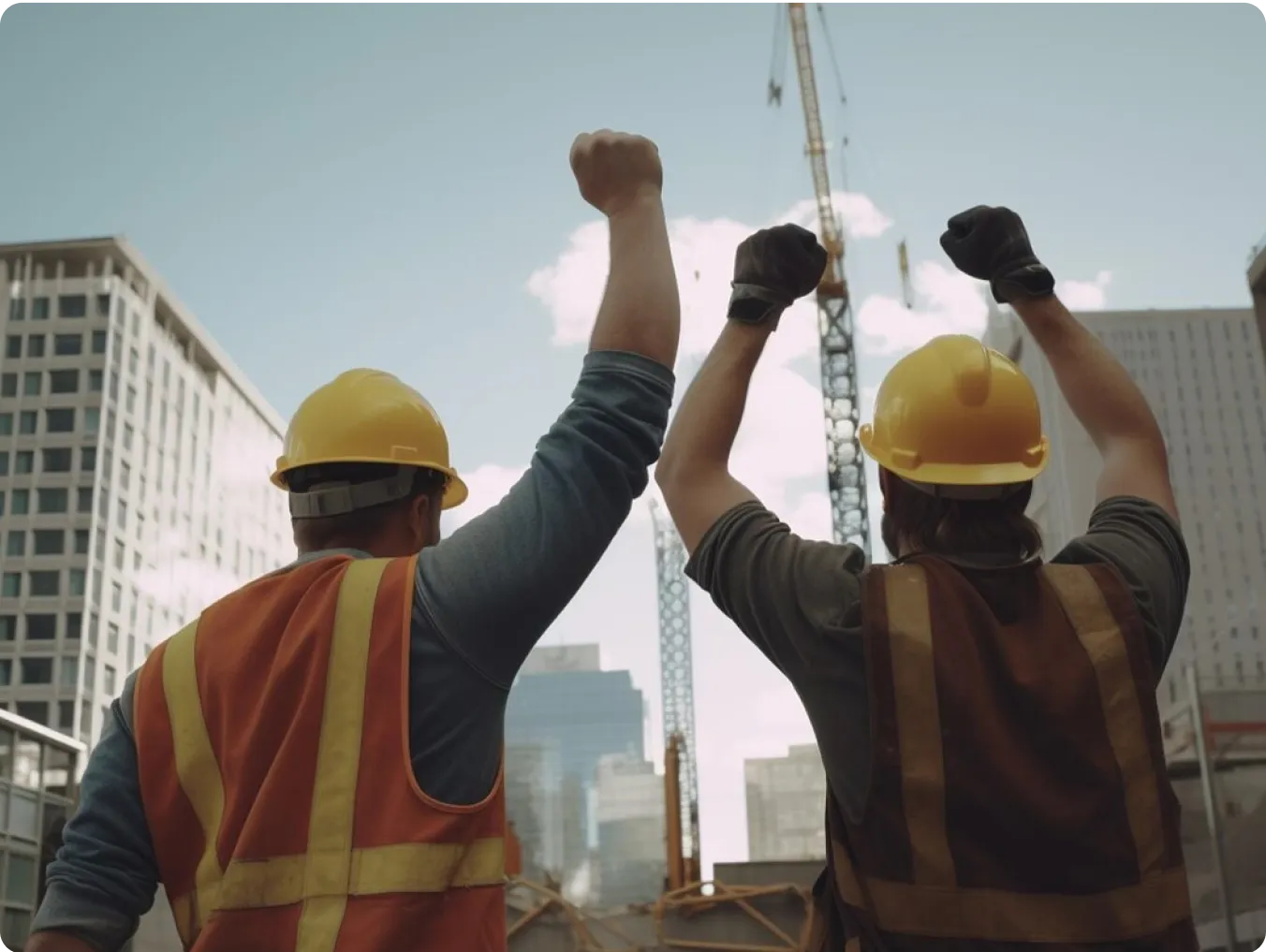
A station roof is an engineering problem and a public room at the same time. Getting both right is mostly a question of who is in the room in week three.
The roof over the concourse at Horizon Station spans 135 feet and carries almost nothing. Structurally it is close to trivial. It took longer to resolve than the substructure, and it is the only part of the building anyone will photograph.
Two different kinds of correct
An engineer asked to span 135 feet will find the lightest structure that does it. An architect asked to roof a concourse will ask what the space feels like at eight in the morning in February, when it is dark at both ends of the journey and the roof is the only thing anybody looks up at.
Both questions have right answers and the right answers are different structures. On a badly run job that difference gets resolved by whoever holds the budget in month seven, which is to say by the engineer, and the building ends up efficient and forgettable.
What we did instead
We put the daylight study in front of the structural options rather than after them. Three of the four spanning strategies gave acceptable structure; only one gave usable north light across the full concourse in winter. The decision made itself, and it made itself in week three rather than month seven.
That sequence — performance question first, structural options second — cost nothing. It is entirely a matter of which drawing is on the table when the meeting starts.
The brilliance part
There is a persistent idea that the beautiful version of a building is the expensive version. In our experience the beautiful version is usually the one where somebody asked the right question early enough that it did not have to be bought back later.
The roof came in 4% over the cheapest option. The cheapest option would have needed 200 feet of supplementary lighting run for eighteen hours a day for sixty years.
What to take from it
If you are commissioning a public building, insist that the environmental and experiential questions are answered before the structural strategy is fixed. Not alongside. Before. Everything downstream gets cheaper.